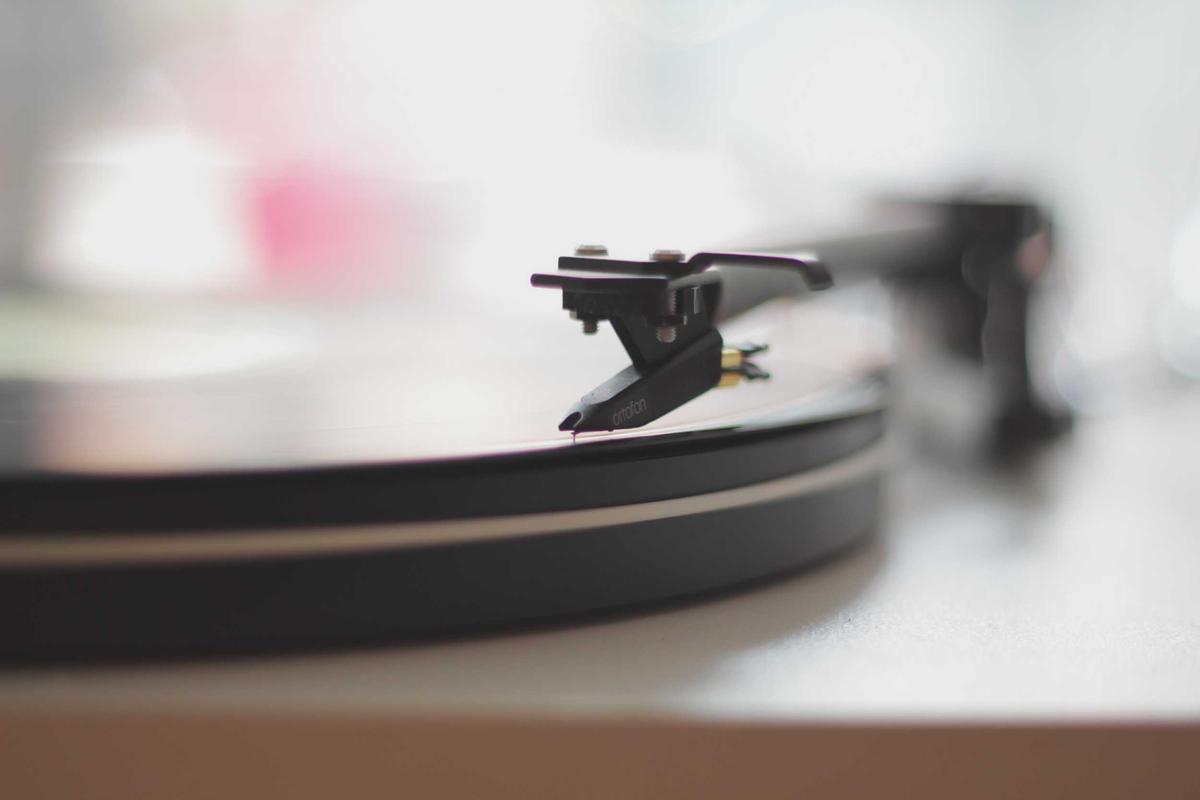
In 2023, for the first time since the CD era, a physical music format outsold its digital equivalent. Vinyl LP revenue surpassed digital download revenue in the United States. This was not a nostalgia story. It was a structural one.
What Streaming Couldn't Provide
When streaming platforms consolidated the music market in the 2010s, they solved the problem of access. You could hear anything, immediately, for a flat monthly fee. What they could not solve was the problem of relationship — the sense that music belonged to you in any meaningful way.
"Streaming is like renting a painting. Vinyl is like owning one. The music is the same, but your relationship to it is completely different."
Record store owners tell the same story in slightly different terms: customers who haven't bought physical music in twenty years come in and spend two hours. They hold albums. They read liner notes. They discover things they weren't looking for. The algorithm, for all its precision, cannot replicate the serendipity of a crate.
The Social Infrastructure
The record store's deeper function was always social. It was a place to be among people who cared about the same things you cared about. Record Store Day, which began in 2008 as a modest celebration during the format's lowest ebb, now generates lines around the block in cities across four continents.
The stores that survived the streaming collapse are not nostalgia boutiques. They are community institutions — venues, meeting points, taste-makers. Their resilience is not sentimental. It is architectural.